

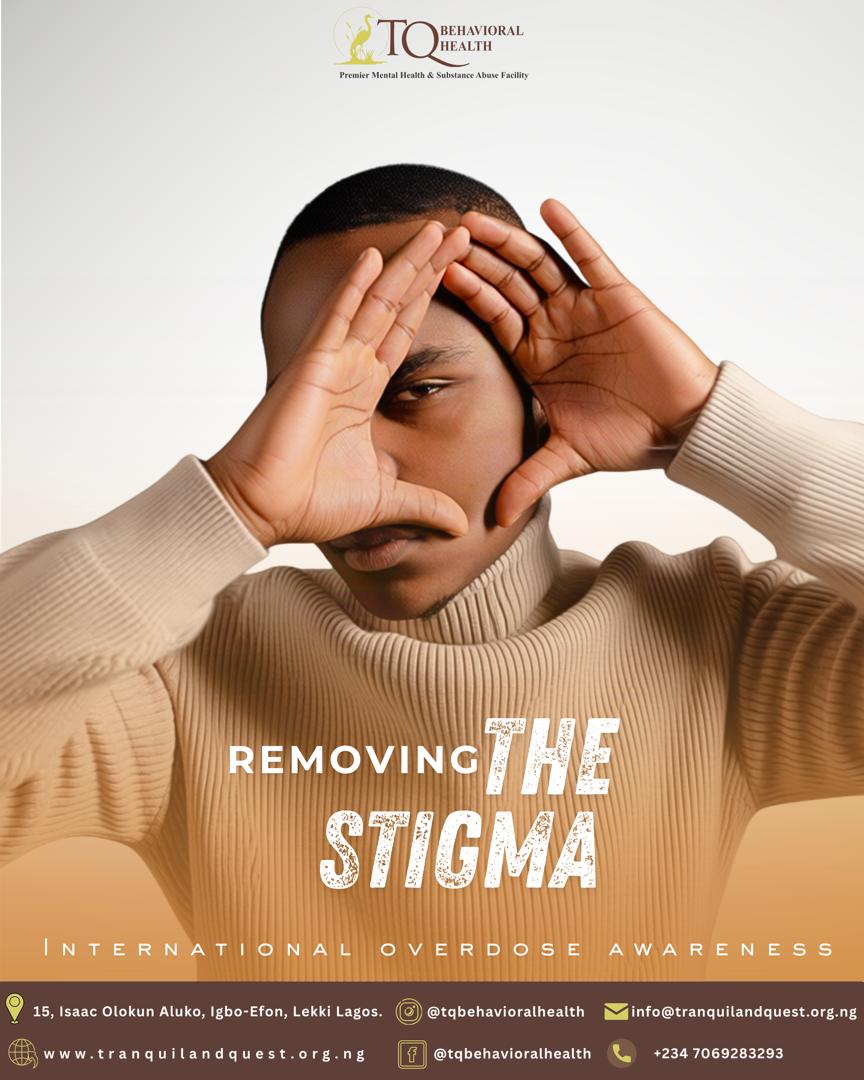
International Overdose Awareness: Removing the Stigma
Stigma is one of the heaviest weights people living with substance use disorders carry. It shows up in the quiet judgment in someone’s eyes, the assumptions that they are “weak” or “irresponsible,” and the isolation that follows. These attitudes do not just hurt feelings, they keep people from reaching out for help when they need it most. Many delay treatment, do not want to seek help, hide their struggles, or suffer alone because they fear being reduced to a label instead of being seen as a whole person.
Substance use disorder is a chronic, treatable medical condition. It is not a moral failing or a character flaw. Removing stigma means changing how we speak, how we think, and how we treat one another so that recovery becomes possible and sustainable.
Use respectful, person-first language
Words shape how we see people. Calling someone an “addict” flattens their entire identity into their hardest struggle. Saying “a person with a substance use disorder” reminds us that they are someone’s child, sibling, friend, or parent first. It centres their humanity. When we choose kinder language in everyday conversations at home, at work, or online, we slowly chip away at the shame that keeps people silent.
Educate yourself and others with facts
Many of us grew up believing substance use is simply a matter of willpower. The truth is more complex than it seems to be on the surface level: it involves brain chemistry, trauma, mental health, environment, and genetics. Learning and sharing accurate information helps replace myths with knowledge and understanding of what it really is and not what we think it is. Host a short talk at work, share a reliable article with friends, or correct a misconception when you hear it. Education turns fear into empathy and judgment into curiosity.
Treat people with dignity and compassion
Sometimes the most powerful thing we can offer is to simply listen without interrupting or advising. When someone shares their story, resist the urge to fix or judge. A calm, non-judgmental presence can be the first safe space they have felt in a long time. Compassion does not mean approving of every choice; it means recognising that the person in front of you is still worthy of respect.
Encourage help-seeking as a sign of strength
Too often, asking for help is seen as weakness. We need to flip that script. Seeking treatment or support is an act of courage. Make services visible, post helpline numbers, share recovery resources, and talk openly about the fact that help exists. When people hear that reaching out is brave rather than shameful, they are more likely to take that first step.
Challenge stereotypes and misinformation
Stigma thrives when no one speaks up. When you hear someone say “they just need to try harder” or use dehumanising language, you can gently correct it. You do not need to start an argument. Sometimes a quiet “Actually, substance use disorder is a medical condition, and recovery is possible” is enough to plant a seed. Calling out unfair comments, even in small ways, helps create a culture where stigma is no longer acceptable.
Support people in recovery without judgment
Recovery is rarely a straight line. There may be setbacks, and that does not erase progress. Instead of focusing on a slip, ask how you can support them going forward. Celebrate small wins. Remember that every person’s path looks different. What works for one may not work for another. Offering steady, non-shaming support helps people stay connected rather than withdraw in shame.
Promote supportive workplace and community policies
Stigma is not only personal; it is structural. Workplaces and communities can make a real difference by offering confidential access to counselling, employee assistance programmes, and fair reintegration after treatment. Policies that protect privacy and give people a second chance send a clear message: you are valued beyond your struggles. Advocating for these changes helps turn individual compassion into lasting support.
Share stories of hope and recovery
Stories change hearts. When people who have been through substance use disorder and found recovery share their journeys. Honestly, without sugar-coating or sensationalising, they show others that healing is possible. These stories remind us that the person we might once have judged is capable of growth, contribution, and joy. Sharing hope reduces isolation and inspires both those struggling and those who want to help.
When communities replace judgment with compassion, people feel safer seeking treatment, staying in recovery, and asking for help even during difficult periods of use. Overdose prevention and lasting recovery become more achievable when the environment around someone is supportive rather than shaming.
On this International Overdose Awareness Day, let us choose to remove the stigma. One conversation, one kind word, and one act of understanding at a time.