

Addiction in Nigeria: The Silence That Kills
Here is one of the hardest truths: in many ways, culture, peer pressure, and society can quietly expose people to substances long before they recognise the risks involved.
How Does It Happen?
Culture Says, “It’s Normal, It’s Medicine, It’s Celebration”
In Nigeria, some substances are deeply woven into everyday social life. Alcohol may be present at naming ceremonies, weddings, parties, and burial celebrations. Refusing a drink can sometimes be misunderstood as pride, disrespect, or a refusal to participate. “Just take one” may be offered as hospitality, friendship, and a way to belong.
Herbal mixtures and products marketed as “manpower” bitters are also commonly promoted as solutions for stress, weakness, pain, and other everyday concerns. Meanwhile, tramadol and other pills can become associated with the pressure to “hustle harder.”
For some Okada riders, factory workers, students, traders, and others under physical or economic pressure, the message may sound familiar: “It keeps me awake, kills the pain, and makes me strong.”
Because substance use can begin under the label of “medicine,” “tradition,” stress relief, or “celebration,” the line between use, misuse, and addiction may gradually become difficult to recognize. Too often, people do not begin to take the problem seriously until someone collapses, experiences severe mental or physical effects, or reaches a point of crisis.
Peer Pressure Says, “If You No Gree, You No Belong”
From secondary school hostels to NYSC camps and communities across Lagos, Abuja, Port Harcourt, and other parts of the country, peer pressure can play a powerful role.
The script is often familiar: “If you don’t smoke, you’re not sharp.” “Take one; it will remove your fear.” “Mix it with an energy drink, that’s how we cruise.”
Peer pressure is not always one dramatic moment where someone forces another person to take a substance. Sometimes, it happens gradually. It is the group that keeps passing the bottle around. It is the fear of being called “holy,” “boring,” or “local.” It is the desire to fit in.
For young people dealing with unemployment, family expectations, financial difficulties, and academic pressure, saying yes can sometimes feel like survival, while saying no can feel like isolation.
When Society Responds With Shame Instead of Care
Our society can punish addiction with shame instead of responding with understanding and support.
People struggling with substance use are often labeled, insulted, or reduced to stereotypes. Videos of vulnerable people may be shared to shame or ridicule them instead of encouraging others to ask what pain, trauma, pressure, or circumstances they may be trying to cope with.
Families may also hide the problem because of fear and stigma. “Don’t let people hear that your son is using drugs.”
As a result, the person may suffer in secret, use substances in secret, and avoid asking for help because they are afraid of judgment. Sometimes, by the time someone seeks help, the situation has already become a serious emergency.
We must also examine the messages our society celebrates. From media that glorifies excessive substance use to a hustle culture that encourages people to push themselves beyond healthy limits, some messages can make harmful behavior appear normal or desirable. Too often, we remain silent until someone is affected.
Addiction Is a Health Issue, Not a Moral Failure
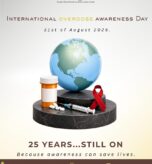
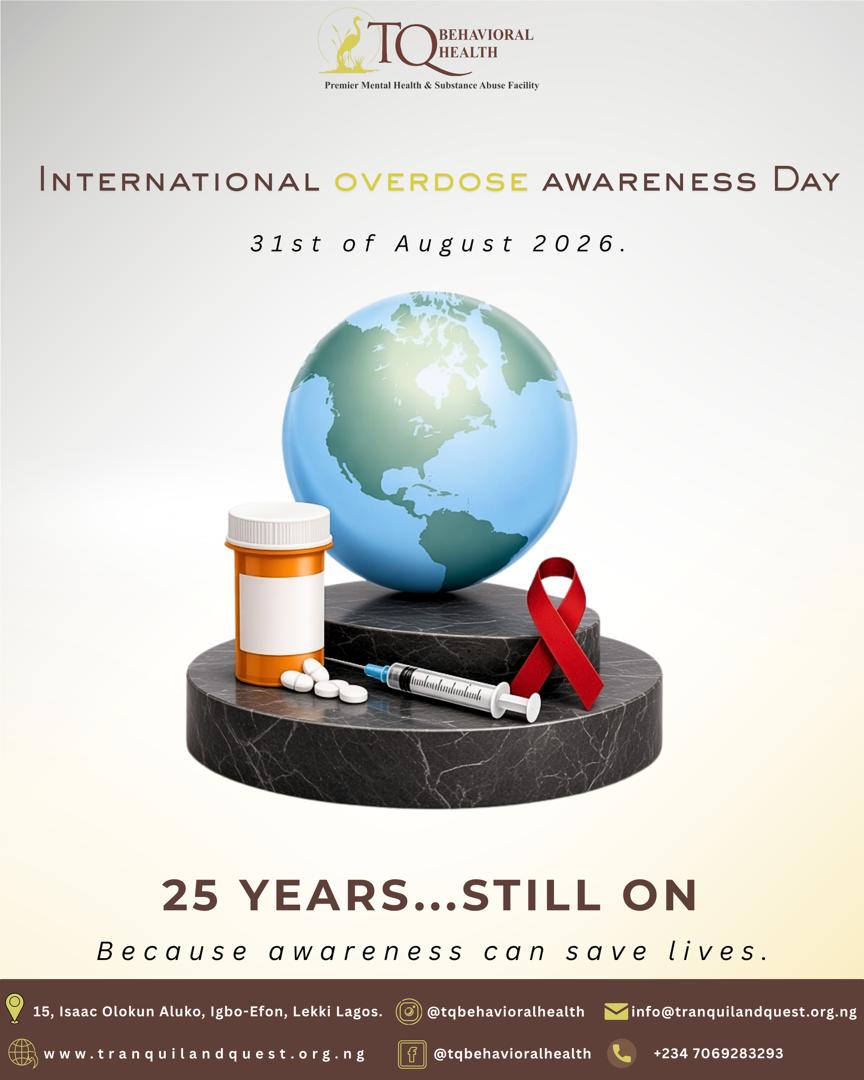
International Overdose Awareness Day is an opportunity to look beyond judgment and recognize the human beings behind addiction and overdose.
It reminds us that addiction should be understood as a health issue and that people struggling with substance use deserve compassion, treatment, and support.
We must speak more openly in our churches, mosques, schools, workplaces, and homes. We need to break the silence and replace shame with support.
Treatment, counseling, recovery services, and harm-reduction interventions should be more accessible. We must also strengthen efforts around the safe regulation of medicines and other substances, invest in mental health support, and create communities where people have healthier ways to cope with stress, pain, trauma, and difficult circumstances.
From Awareness to Action
Awareness alone is not enough. We must ask ourselves what action looks like. It means checking on the friend whose drinking has become increasingly concerning. It means asking about the cousin who suddenly disappeared from family gatherings. It means listening without immediately judging. It means creating spaces where someone can say, “I am struggling,” and feel safe enough to ask for help.
It also means supporting families, improving access to treatment and counseling, strengthening prevention efforts, and encouraging early intervention before a person reaches a crisis point.
Addiction thrives in silence. Recovery begins in community.
Remembering Those We Have Lost
Today, let us remember those we have lost to overdose in Nigeria. Let us remember that they were more than the circumstances of their death.
They were someone’s child, sibling, friend, partner, parent, colleague, or neighbor. They had stories, dreams, struggles, hopes, and people who cared about them.
We honor their memory not only by remembering their names but also by working to ensure that the next person does not have to suffer alone and does not have to die quietly.
You Are Not Alone
If you are struggling with substance use or addiction, you are not a disgrace. You are not beyond help. And you are not alone.
Recovery is possible, and asking for support can start a new chapter.
At Tranquil and Quest Behavioral Health, we care, support recovery, and believe healing is possible.
God heals. Support matters. Recovery is possible.